

Entrepreneurship Reshapes U.S. Events Industry, Says Cultural Strategist Carmela Ribas

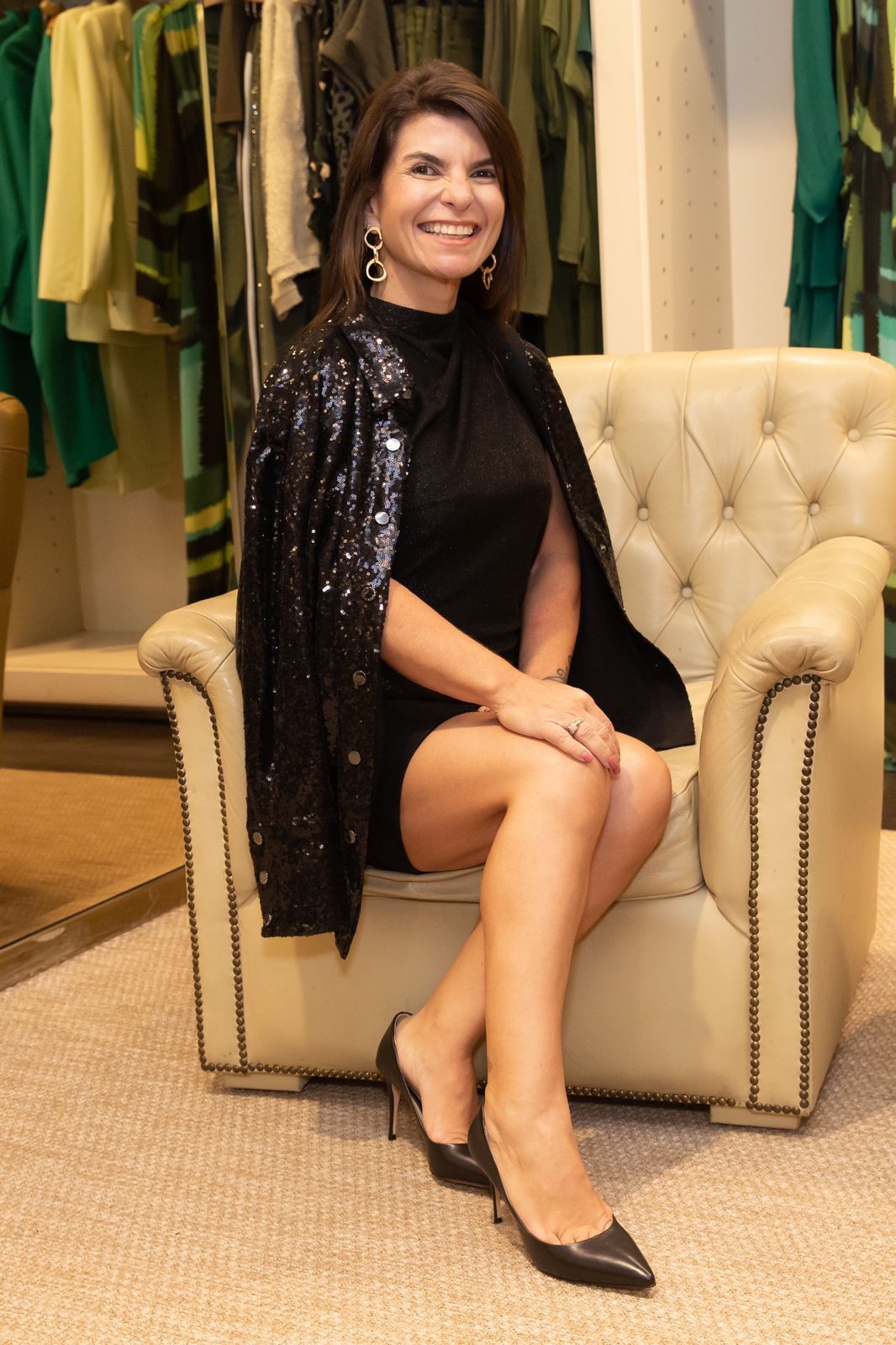

Expert analysis links events sector growth, leadership culture, and economic impact across U.S. markets
MIAMI, FL, UNITED STATES, January 12, 2026 /EINPresswire.com/ -- Human Capital Career Trends Magazine today released two in-depth expert analyses by cultural strategist and entrepreneur Carmela Tartarel Ribas, examining how entrepreneurship and executive-level events are reshaping the U.S. economy, strengthening global investment confidence, and driving long-term workforce and cultural development.
The U.S. events industry plays a pivotal role in national economic performance. According to the Bureau of Economic Analysis, the arts, entertainment, and events sector contributed $876.7 billion to U.S. GDP in 2020, representing 4.2% of the national economy, while the Bureau of Labor Statistics reported 2.0% employment growth in 2024 across events and hospitality. As demand for live, immersive, and business-focused experiences accelerates, entrepreneurship within the sector has become a key driver of job creation, tourism expansion, and regional revitalization.
In her analysis, Carmela Tartarel highlights how U.S. cities such as Miami and Naples have leveraged cultural events, including Art Basel Miami Beach and the Naples Winter Wine Festival, to generate significant economic returns while positioning themselves as global business and innovation hubs. These models demonstrate how entrepreneurial leadership within the events sector fosters sustainable development, private-sector investment, and inclusive market growth.
“Today’s events industry is no longer about staging experiences alone; it is about building economic ecosystems,” said Carmela Tartarel, entrepreneur and cultural strategist. “Entrepreneurs who integrate sustainability, digital transformation, and global collaboration are not just producing events; they are shaping cities, industries, and long-term economic confidence.”
Carmela Tartarel Ribas further explores how exclusive executive gatherings, ranging from private CEO forums to global leadership summits, serve as critical instruments of U.S. economic soft power. According to the Bureau of Economic Analysis (2022), creative and cultural industries now contribute more than $1.1 trillion to national GDP, reinforcing the role of leadership culture, innovation showcases, and high-visibility convenings in attracting foreign direct investment and global talent.
SelectUSA data and international investment trends increasingly show that capital decisions are influenced not only by policy incentives, but by perceptions of national stability, leadership credibility, and market alignment—factors shaped directly through curated executive environments and cultural platforms.
“Carmela Tartarel’s work demonstrates that culture, leadership, and economic performance are inseparable,” said Ana Paula Montanha, Editor-in-Chief of Human Capital Career Trends Magazine. “Her insights connect entrepreneurship, workforce development, and global investment in a way that speaks directly to today’s executives and policymakers.”
Carmela Tartarel Ribas's research and professional career span more than two decades across Brazil and the United States, integrating fashion, hospitality, events, and enterprise operations into scalable business models. Her initiatives emphasize operational excellence, cost control, workforce training, and compliance, supported by her SAP certification in materials management and financial control. Her leadership has been recognized through national honors, including the Comenda Mulheres de Ouro and Cidadã Honorária de Brasília, and her work continues to align with U.S. priorities for job creation, industry diversification, and inclusive economic growth.
As the U.S. events and creative economy continues its post-pandemic expansion, Carmela Tartarel Ribas concludes that future competitiveness will depend on entrepreneurial innovation, sustainable business practices, digital integration, and cross-sector collaboration, positioning the events industry as a cornerstone of America’s economic and cultural leadership in the decades ahead.
And there is more coming as she releases in the coming weeks her first book about this industry.
About Human Capital Career Trends Magazine
Human Capital Career Trends Magazine is a strategic publication dedicated to executive leadership, workforce transformation, and global talent mobility. The magazine delivers data-driven insights for senior executives, policymakers, investors, and professionals navigating the evolving global economy.
Ana Paula Montanha
HUMAN CAPITAL CAREER TRENDS
+1 305-457-9635
email us here
Legal Disclaimer:
EIN Presswire provides this news content "as is" without warranty of any kind. We do not accept any responsibility or liability for the accuracy, content, images, videos, licenses, completeness, legality, or reliability of the information contained in this article. If you have any complaints or copyright issues related to this article, kindly contact the author above.
