

AndaSeat Reviews Emerging Ergonomic Priorities for the New Year Through the Kaiser 4 6D Armrest System

2026 New year AndaSeat Kaiser 4 Set
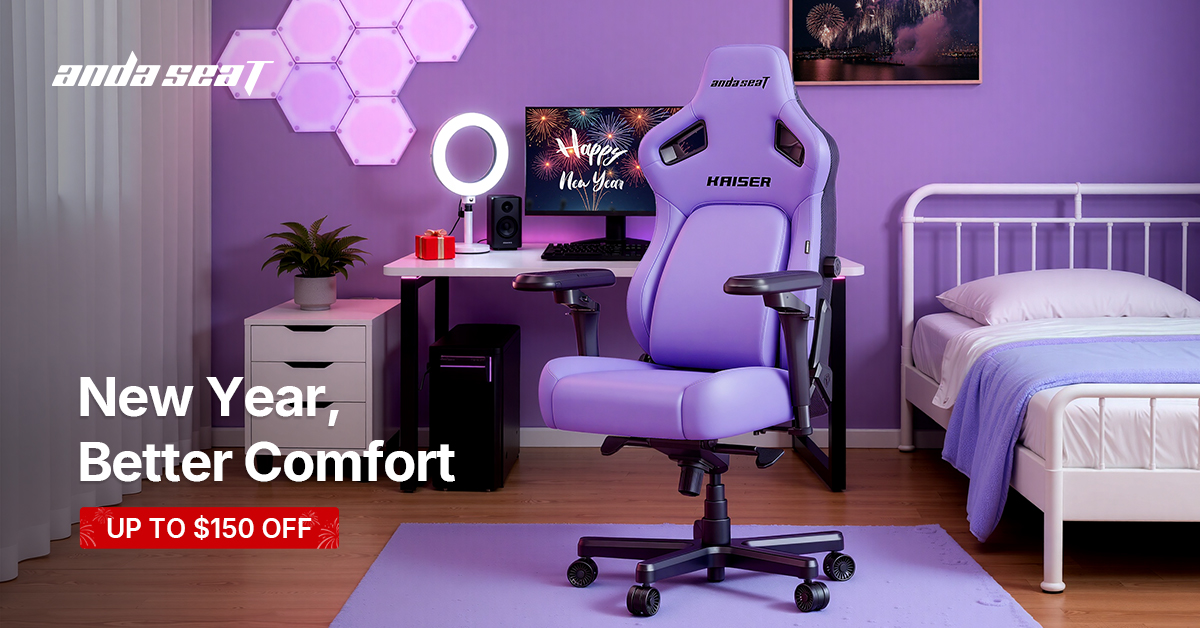
2026 New year AndaSeat Kaiser 4 Zen Purple
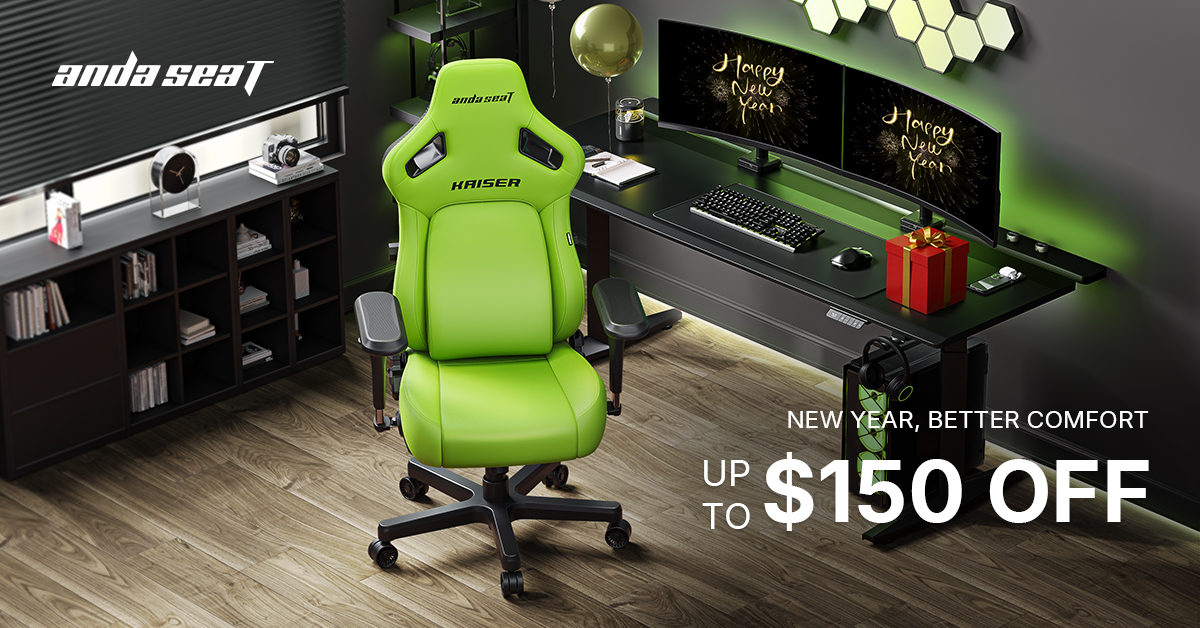
2026 New year AndaSeat Kaiser 4 Cyber Green
AndaSeat Reviews Emerging Ergonomic Priorities for the New Year Through the Kaiser 4 6D Armrest System
SPOKANE, WA, UNITED STATES, January 6, 2026 /EINPresswire.com/ -- As the new year approaches, attention around seating ergonomics is increasingly shifting beyond the back and lumbar region to include upper-body fatigue, arm positioning, and shoulder stability. Recent ergonomic and workplace studies indicate that prolonged desk-based activities place a significant load on the arms, shoulders, and neck, particularly among users who alternate between typing, mouse use, and controller-based interaction throughout the day.According to aggregated findings from ergonomics research published over the past year, more than sixty percent of desk-based users report experiencing recurring shoulder or forearm discomfort during extended computer use. Nearly half indicate that their seating setup provides insufficient arm support during task switching, leading to increased muscle tension in the upper body. These observations suggest that while lumbar support remains essential, armrest design has become an equally critical factor in overall seating comfort.
In this context, adjustable arm support is emerging as a key area of focus in how gaming chairs are evaluated, especially as they continue to be used across work, gaming, and hybrid environments. Rather than viewing armrests as secondary accessories, users are increasingly assessing how arm positioning affects posture consistency, shoulder relaxation, and sustained comfort throughout daily routines.
Shifting Ergonomic Attention Toward Arm and Shoulder Support
Market research examining modern desk usage patterns shows that users spend a substantial portion of seated time with their arms actively engaged. Studies estimate that over seventy percent of seated computer tasks involve continuous arm movement, whether through typing, pointing devices, or handheld controllers. Despite this, many seating designs continue to prioritize backrest and seat construction while offering limited armrest adaptability.
Ergonomics specialists note that inadequate arm support can lead to elevated shoulder positioning, increased neck tension, and uneven pressure distribution across the upper body. Over time, these factors contribute to fatigue and discomfort, even when lumbar and seat support are otherwise sufficient. As a result, users comparing gaming chair vs office chair options are paying closer attention to how armrests function in real-world scenarios.
This shift has been particularly visible among users who divide their time between professional tasks and interactive entertainment. For these individuals, arm position changes frequently, requiring support systems that adapt dynamically rather than remain fixed in a single orientation.
Armrest Limitations in Conventional Seating Designs
Conventional armrest designs often rely on limited adjustment ranges, typically allowing vertical movement and, in some cases, lateral rotation. However, user feedback collected across multiple seating categories suggests that these configurations may not adequately support varied arm postures, especially during prolonged or multi-task use.
Research summaries indicate that more than fifty percent of users adjust their arm position multiple times per hour while seated, yet fewer than thirty percent report regularly repositioning their armrests. This discrepancy highlights a design challenge: armrests that require frequent manual adjustment may not be used as intended, reducing their effectiveness.
As seating expectations evolve, the focus is shifting toward armrest systems that move intuitively with the user, offering support across a wider range of positions without constant readjustment. This has prompted renewed interest in multi-directional armrest designs that prioritize both range and stability.
The Role of 6D Armrest Systems in Addressing Upper-Body Fatigue
Within this evolving discussion, the Kaiser 4 introduces a 6D armrest system designed to address the limitations identified in user research. Rather than offering incremental adjustments, the system allows armrests to move across multiple axes, supporting varied arm orientations associated with different activities.
From an ergonomic standpoint, the design aims to reduce shoulder elevation by allowing the forearms to remain supported during lateral and rotational movements. By maintaining consistent contact between the armrest and the user’s forearm, the system seeks to distribute load more evenly across the upper body, potentially reducing localized pressure.
Observational studies referenced in ergonomic literature suggest that arm support systems capable of accommodating rotational movement may reduce perceived arm fatigue by up to thirty percent during extended desk use. While outcomes vary by individual, these findings underscore the growing importance of armrest adaptability in overall seating comfort.
Stability as a Critical Design Consideration
Adjustability alone does not determine effectiveness. User feedback frequently highlights stability as an equally important factor, noting that armrests which drift or shift under load can undermine support and require repeated correction.
In response, the Kaiser 4’s armrest system incorporates locking mechanisms designed to hold positions securely once adjusted. This approach aligns with research indicating that users are more likely to rely on arm support when adjustments remain consistent under daily use conditions.
Stability also plays a role in posture maintenance. Ergonomic analyses show that inconsistent arm support can lead to compensatory movements in the shoulders and upper back, potentially affecting overall alignment. By providing stable support across multiple positions, armrests contribute to a more balanced seated posture.
Broader Implications for Gaming Chair for Office Use
The increasing emphasis on armrest design reflects broader trends in how gaming chairs are used. As more users adopt gaming chairs for office use, expectations around ergonomic performance continue to converge with those traditionally associated with professional seating.
This convergence is evident in purchasing behavior. Surveys conducted among hybrid workers indicate that nearly forty percent consider armrest functionality a deciding factor when selecting a chair, ranking it alongside seat comfort and back support. This represents a notable increase compared to previous years, when armrests were often regarded as secondary features.
Within this framework, the Kaiser 4 is positioned as part of a broader response to changing ergonomic priorities. By addressing upper-body support through a multi-directional armrest system, the chair reflects a growing recognition that comfort is shaped by the interaction of multiple support points rather than any single feature.
New Year Market Context and Pricing Considerations
At the start of the year, seating purchases are often influenced by reassessment cycles, as users evaluate existing setups and consider adjustments. During these periods, pricing becomes one of several contextual factors in decision-making, alongside ergonomic performance and anticipated usage patterns.
Publicly available product information indicates that the Kaiser 4 enters the new year at an adjusted price point compared with its previous positioning. For some buyers, this adjustment forms part of the evaluation process, particularly when weighing advanced ergonomic features such as multi-axis armrest systems against overall budget considerations.
Industry discussions suggest that such periods prompt users to look more closely at feature-to-value alignment rather than short-term incentives. In this sense, pricing serves as a reference point within a broader assessment of usability and long-term comfort.
Evolving Expectations for Upper-Body Ergonomics
As ergonomic awareness continues to expand, expectations for seating design are likely to extend further into upper-body support systems. Researchers note that as work and entertainment environments become more integrated, chairs must accommodate a wider range of movements and postures.
The focus on armrest adaptability reflects this shift. Rather than being viewed as optional components, armrests are increasingly recognized as integral to posture management and fatigue reduction. Designs that address these considerations holistically may play a growing role in how users evaluate seating options in the coming years.
Within this evolving landscape, the Kaiser 4 illustrates how seating designs are responding to emerging insights around upper-body ergonomics. By emphasizing armrest flexibility and stability, the chair aligns with research highlighting the interconnected nature of seating comfort.
Caroline Chen
AndaSeat
+ + 86 139 2232 2347
email us here
Visit us on social media:
LinkedIn
Instagram
Facebook
YouTube
TikTok
X
Legal Disclaimer:
EIN Presswire provides this news content "as is" without warranty of any kind. We do not accept any responsibility or liability for the accuracy, content, images, videos, licenses, completeness, legality, or reliability of the information contained in this article. If you have any complaints or copyright issues related to this article, kindly contact the author above.
